ECE 222 · MAY 2026 · WITH ASHTON TOKARSKI
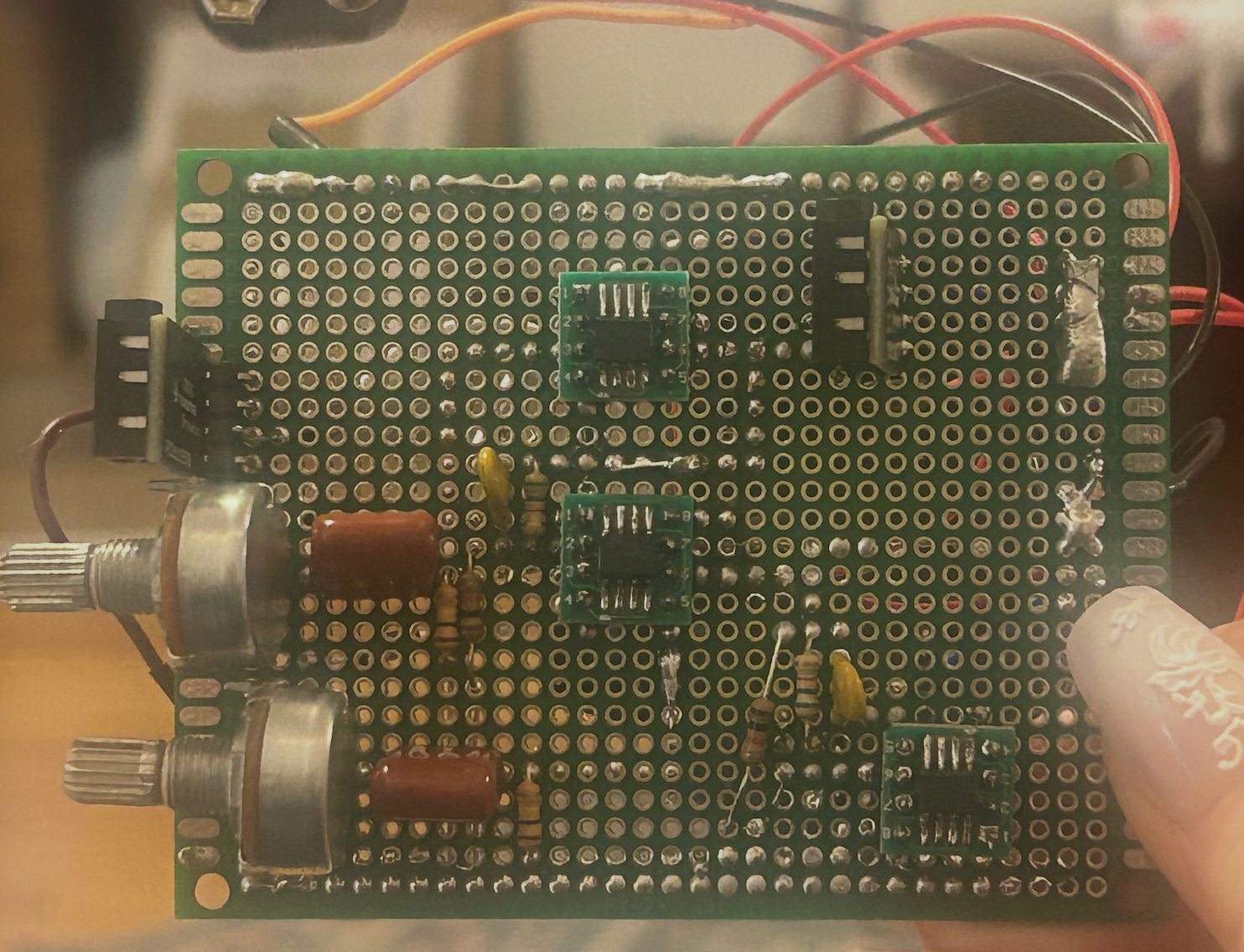
Headphone amplifier
Designed, simulated, built, and tested a two-stage headphone amplifier using an OPA1656 op-amp and BUF634A buffer. The project moved from HSPICE simulation through breadboard testing to a two-channel perfboard prototype.
Methods & results
We adapted component values to available parts and added a feedback capacitor to stabilize high-frequency gain. Testing covered gain, bandwidth, input impedance, output power, and distortion. The physical prototype produced amplified audio in both channels, but measured distortion was higher than predicted in simulation.
PHYS 371 · APRIL 2026
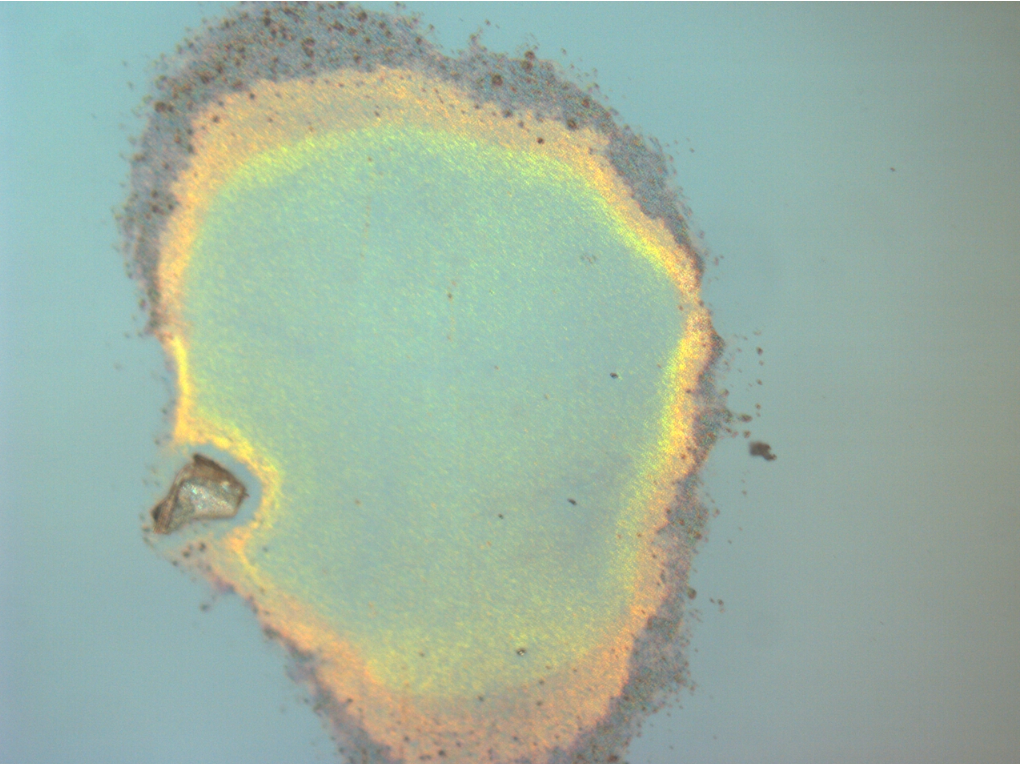
Optical & confocal microscopy
Explored magnification and resolution with optical microscopy, then investigated localized fluorescence with confocal microscopy.
Methods & results
Used raster scans and wavelength-resolved measurements to identify fluorescence sites and characterize their emission. Photon-correlation measurements and a timing calibration with a PicoHarp 330 developed experience with time-correlated single-photon counting.
ECE 205 · APRIL 2026 · COMPARATIVE PAPER
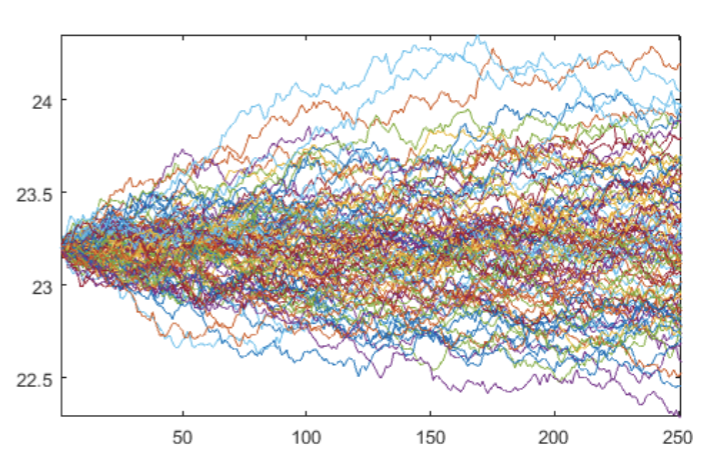
Neural networks & Ising systems
Compared optimization in artificial neural networks with energy-based computation in Ising and Boltzmann systems.
Methods & results
The paper discusses energy landscapes, update mechanisms, and convergence behavior, contrasting gradient-based optimization with stochastic sampling. This was an analytical literature-based project.
PHYS 371 · MARCH 2026
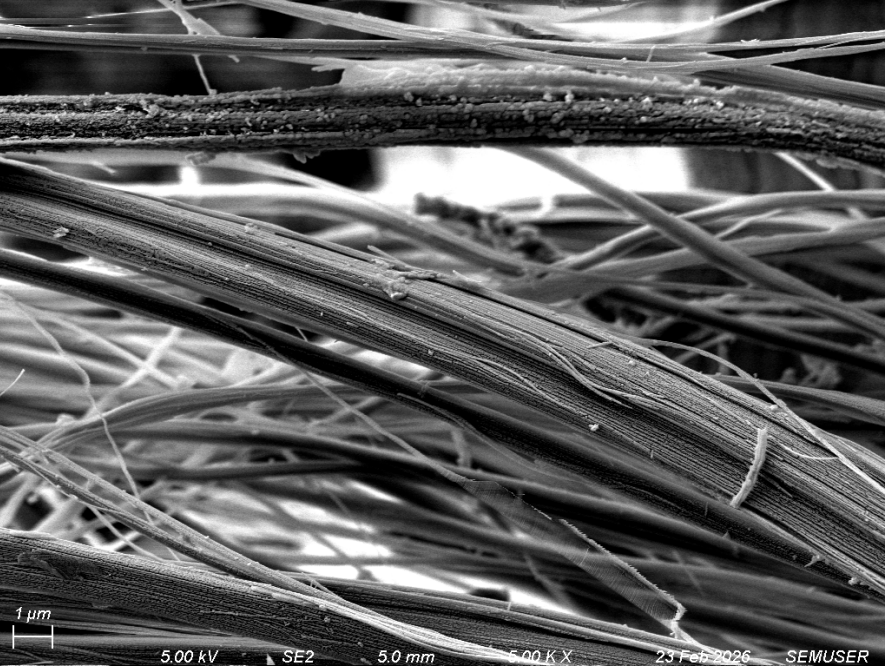
Electron microscopy
Used SEM and TEM techniques to examine nanoscale morphology, composition, and structure.
Methods & results
The report compares secondary- and backscattered-electron imaging, characteristic X-rays, STEM-HAADF imaging, elemental mapping, and electron diffraction. Gold nano-islands were investigated with TEM methods.
PHYS 371 · FEBRUARY 2026
AFM surface characterization
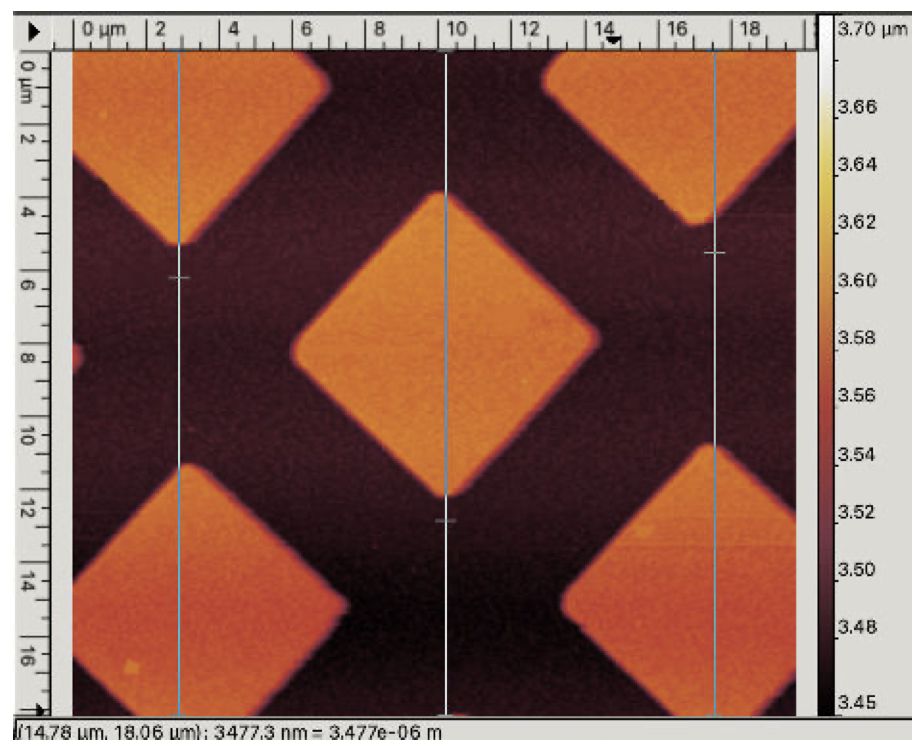
Examined three samples with atomic force microscopy and analyzed their surface topography, roughness, structure, and feature dimensions.
Methods & results
Used Gwyddion to correct and process scans, reconstruct two- and three-dimensional surfaces, and evaluate how operating conditions affect imaging quality. This was a course laboratory project, separate from my Wu Group research.
EXPERIMENTAL PHYSICS · DECEMBER 2025 · WITH EYÜP TOGAY
Chaos in an RLD circuit
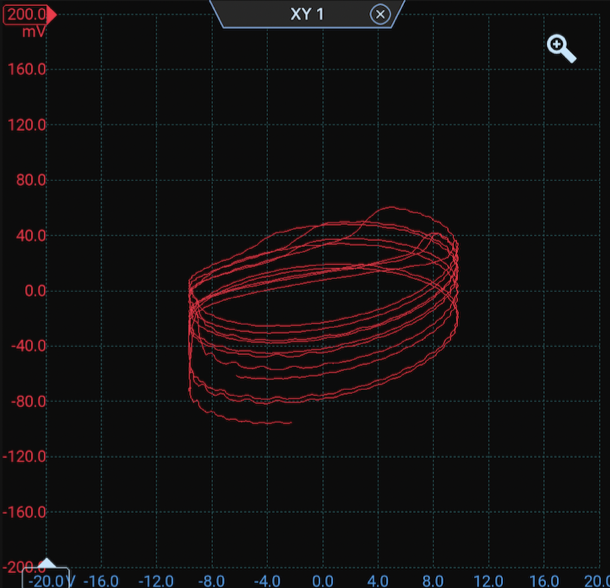
Investigated how a driven resistor–inductor–diode circuit transitions from periodic motion to more complex behavior as the driving voltage changes.
Methods & results
Compared time-domain signals and phase-space plots to identify period doubling, chaotic responses, and periodic windows within the chaotic regime.
MATH 281 · FALL 2025 · TEAM REPORTS
Numerical methods for PDEs
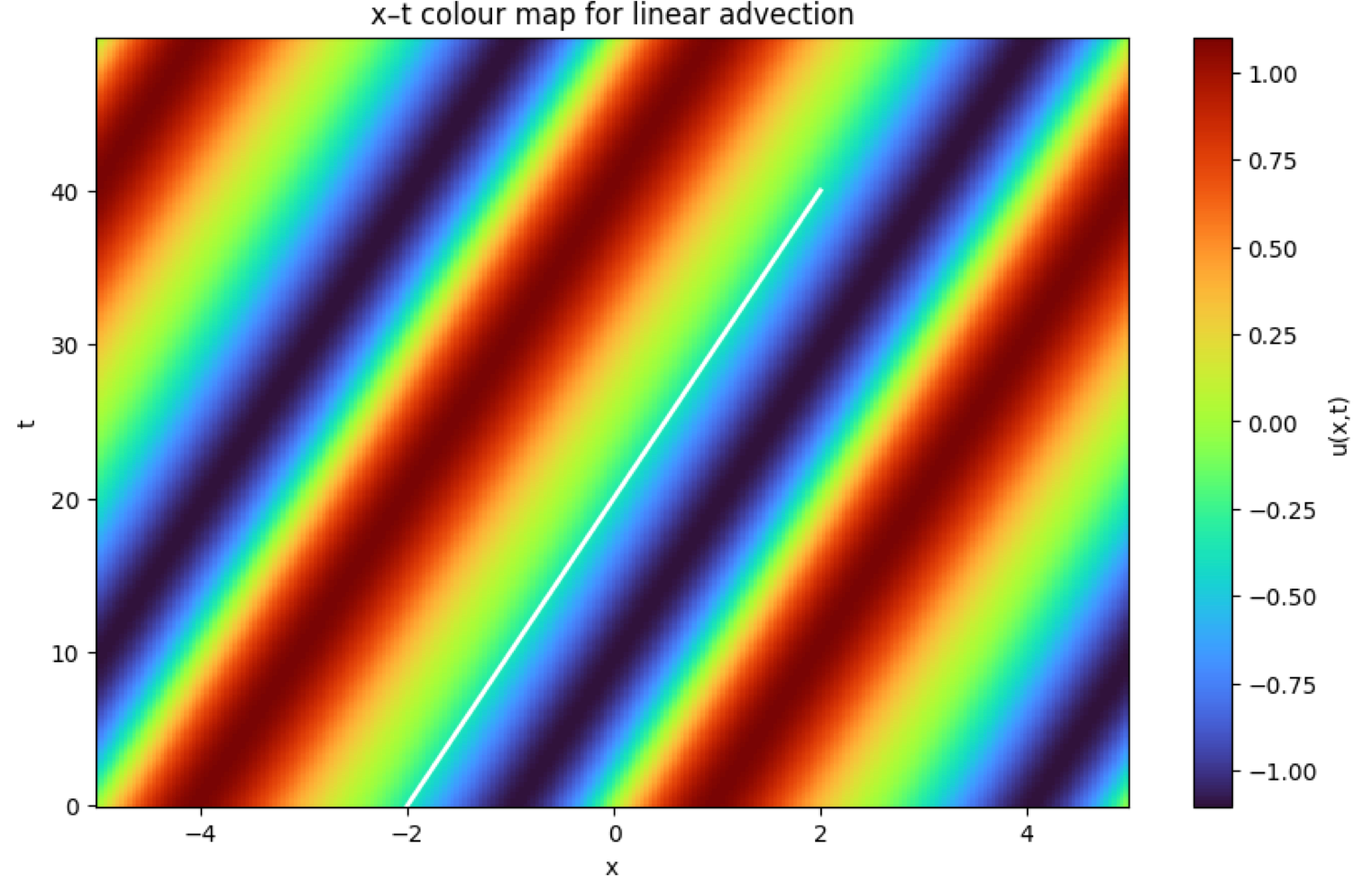
Studied nonlinear advection, diffusion, and dispersion using numerical methods and physical interpretation.
Methods & results
My assigned contributions were Problem 4 in Project 2 and Problems 4–5 in Project 3: Burgers’ equation, linear dispersion, and nondimensionalization. The work examined evolving physical fields, power spectra, and the relative importance of equation terms.
PHYS 243W · FALL 2025 · WITH EYÜP TOGAY
Faraday instabilities in oils
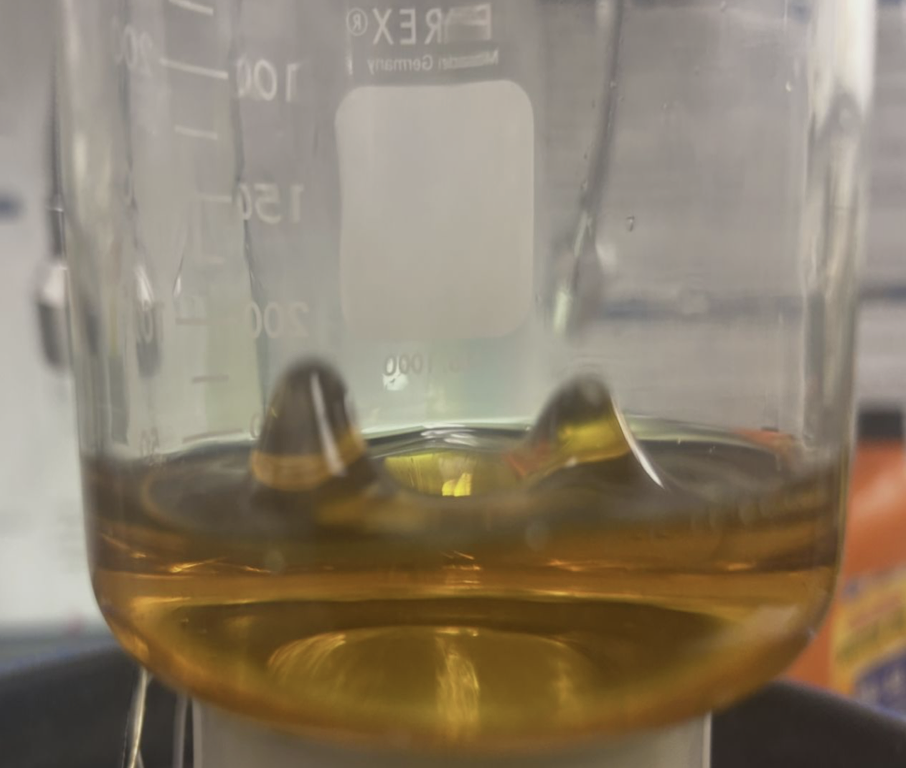
Investigated the onset of standing surface waves in five oils driven by a vertically vibrating container.
Methods & results
Measured the driving voltage at wave onset across frequencies from 15 to 45 Hz. Compared the response across oils and documented measurements limited by the amplifier’s maximum output. Driving voltage was the recorded threshold measure.
PHYSICS POSTER · NOVEMBER 2025 · WITH EYÜP TOGAY
Faraday rotation & Malus’ law
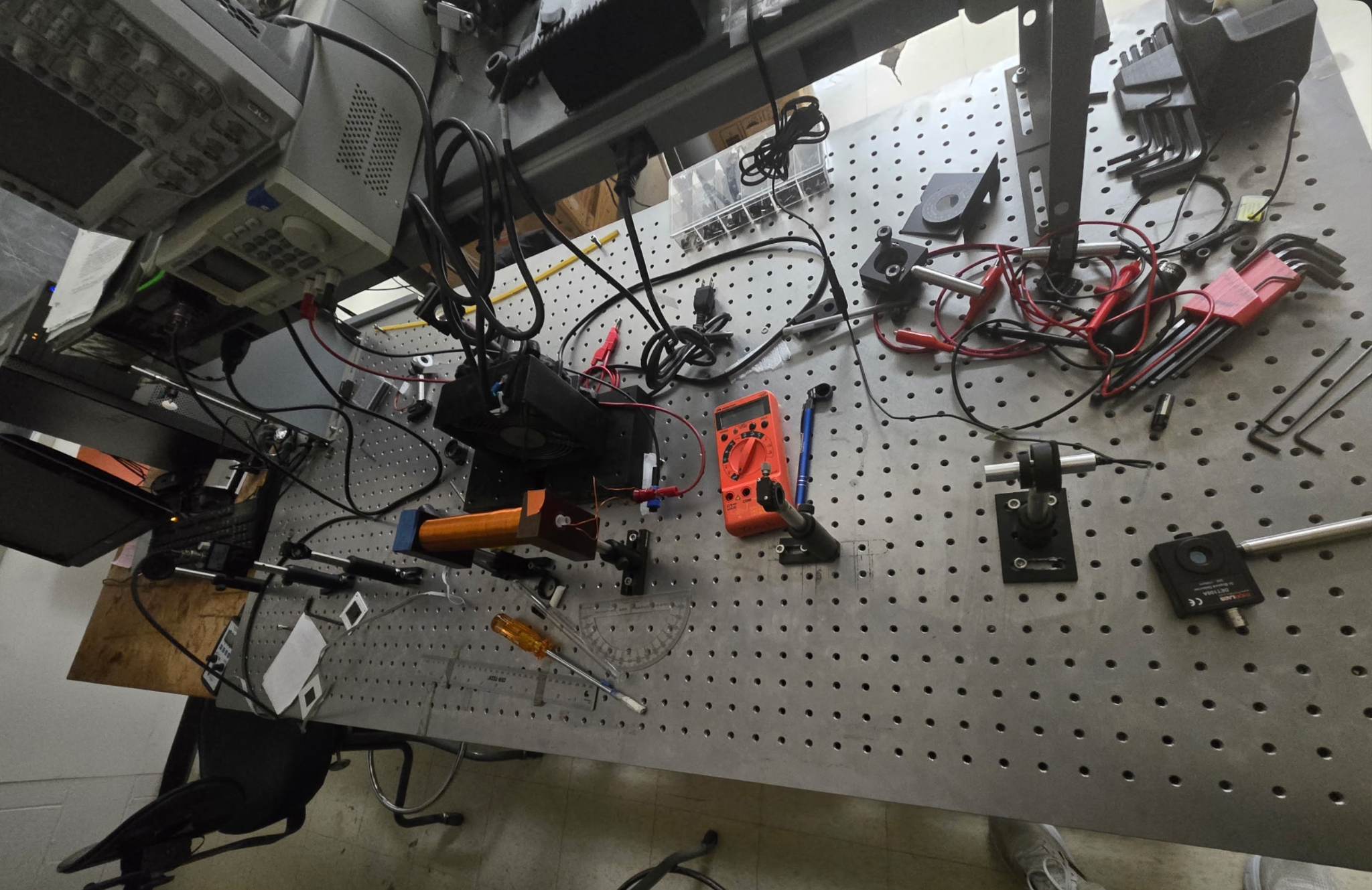
Measured transmitted laser intensity through polarizers to verify Malus’ law, then measured polarization rotation in an applied magnetic field.
Methods & results
Used Helmholtz coils, a gaussmeter, and optical intensity measurements to estimate the Verdet constant of an unknown material. The reported estimate was 21.36 rad/(T·m), with ambient light and equipment limitations considered as sources of error.
ASTR 142 · MAY 2025 · THREE-PERSON TEAM
Messier Marathon observing project
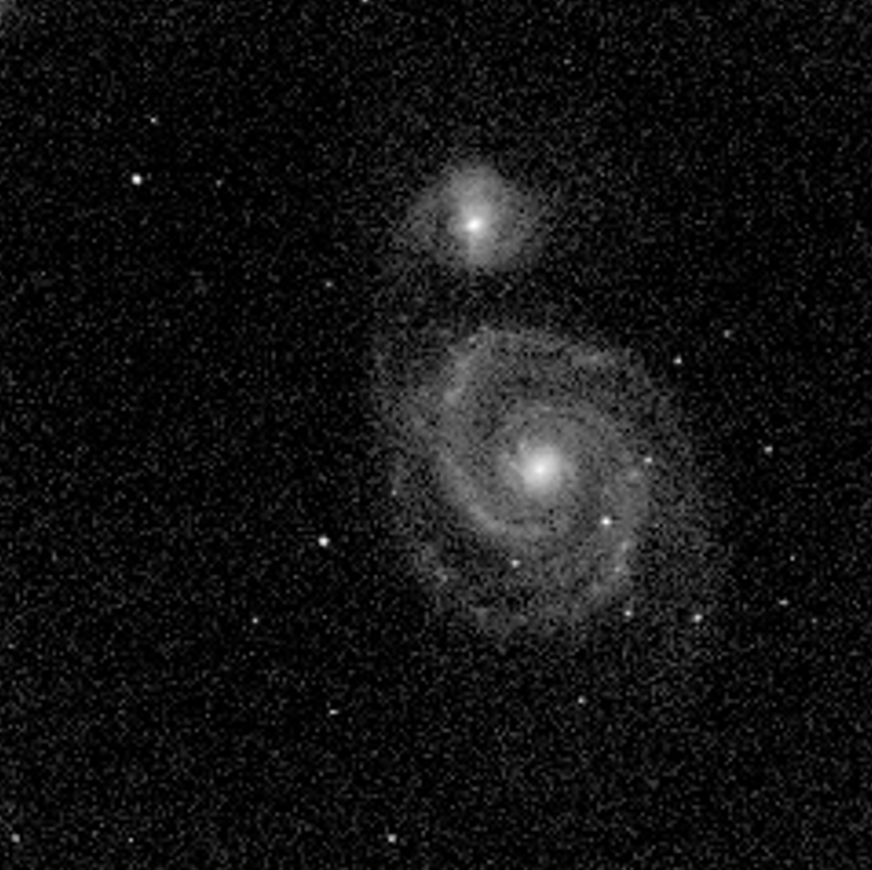
Planned an overnight observing sequence and successfully observed and imaged 64 Messier objects using the Mees telescope.
Methods & results
Calculated rise, set, and peak times, planned telescope slews, and processed roughly 250 raw images in CCDStack. Image processing was shared across the team; the final analysis organized objects chronologically and by classification.